AS/NZS 5131 CC2 Estimating: A Construction-Category Review
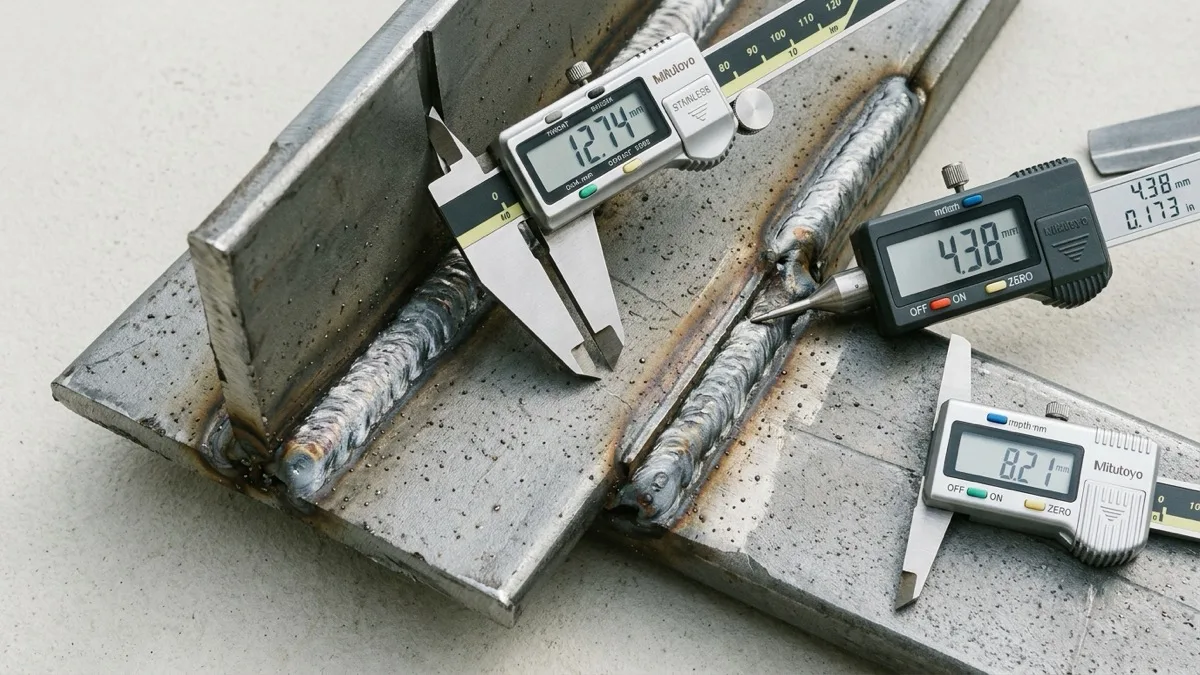
Review the construction-category basis for a structural-steel estimate by recording importance, service, fabrication, traceability, and project-document requirements before pricing.
Confirm the category basis
Construction Category is a project decision, not a default marketing label. Start by recording the category stated in the drawings, specification, or procurement documents. If it is absent or inconsistent, raise a clarification before treating CC2 as the estimate basis.
The Australian Steel Institute explains that the construction category is derived from the project importance level, service category, and fabrication category. Its structural-steel specification also shows that different elements can carry different categories, so a whole-project assumption can hide scope differences.
Review the inputs that affect cost
At intake, record the importance level, service category, fabrication category, material grades, welding requirements, inspection or testing requirements, treatment or coating requirements, and the documents the project requires at handover. Link each item to the current drawing or specification revision.
These inputs can change estimating effort even when the steel quantity is unchanged. Price identifiable documentation, inspection, traceability, coordination, and supplier-evidence work as separate assumptions or line items where the project requires them. Do not hide an unknown requirement in a generic contingency.
Make traceability reviewable
The ASI guidance describes traceability as a category- and project-dependent requirement. The estimating record should therefore state what the project documents require, which material evidence is available, and who will confirm the final process. A supplier certificate or a draft checklist is evidence to review, not proof that a completed job conforms.
Keep the drawing register, material schedule, supplier quotations, assumptions, and open questions together. If the category or traceability level changes in a later issue, preserve the original basis and create a controlled quote revision.
Use a release gate
Before releasing a tender, have a qualified reviewer confirm the category basis, current document set, scope boundaries, assumptions, exclusions, supplier evidence, and required records. If the project requires a certification or compliance decision, refer it to the responsible engineer, fabricator, or certification body rather than making the estimating page stand in for that decision.
For the related revision workflow, see drawing revision control for fabrication quotes. For bid qualification, see steel fabrication tenders.
Where Kwantflow fits
Kwantflow helps keep RFQ files, category notes, source documents, assumptions, and estimator review decisions together in a local desktop workflow. It does not select a construction category, certify a fabrication process, or provide engineering or legal advice.
Sources
Australian Steel Institute: AS/NZS 5131 and the National Structural Steelwork Specification, retrieved 2026-07-16, for the relationship between importance, service, fabrication, and construction categories.
Australian Steel Institute: Standards Watch, retrieved 2026-07-16, for the published changes and implementation context around AS/NZS 5131.
Method
This article is an estimating and document-review checklist, not a copy of AS/NZS 5131 and not engineering, certification, procurement, legal, or compliance advice. Apply the project specification, current standard, contract, and qualified professional judgement to each tender.
Ways estimators can keep quote review clear:
- Do not assume CC2 applies to every structural-steel project; record the project-specific construction-category basis.
- Review importance, service, and fabrication categories together with the drawings and specification.
- Capture traceability, welding, inspection, coating, and data-record requirements as estimate inputs when the project calls for them.
- Use the estimate to expose documentation effort, not to certify compliance or replace qualified project review.